Camping with Dogs: Rules, Gear and Good Trail Manners
How to plan a safe and courteous camping trip with your dog in the American West, including where dogs are allowed, gear, heat, wildlife and etiquette.
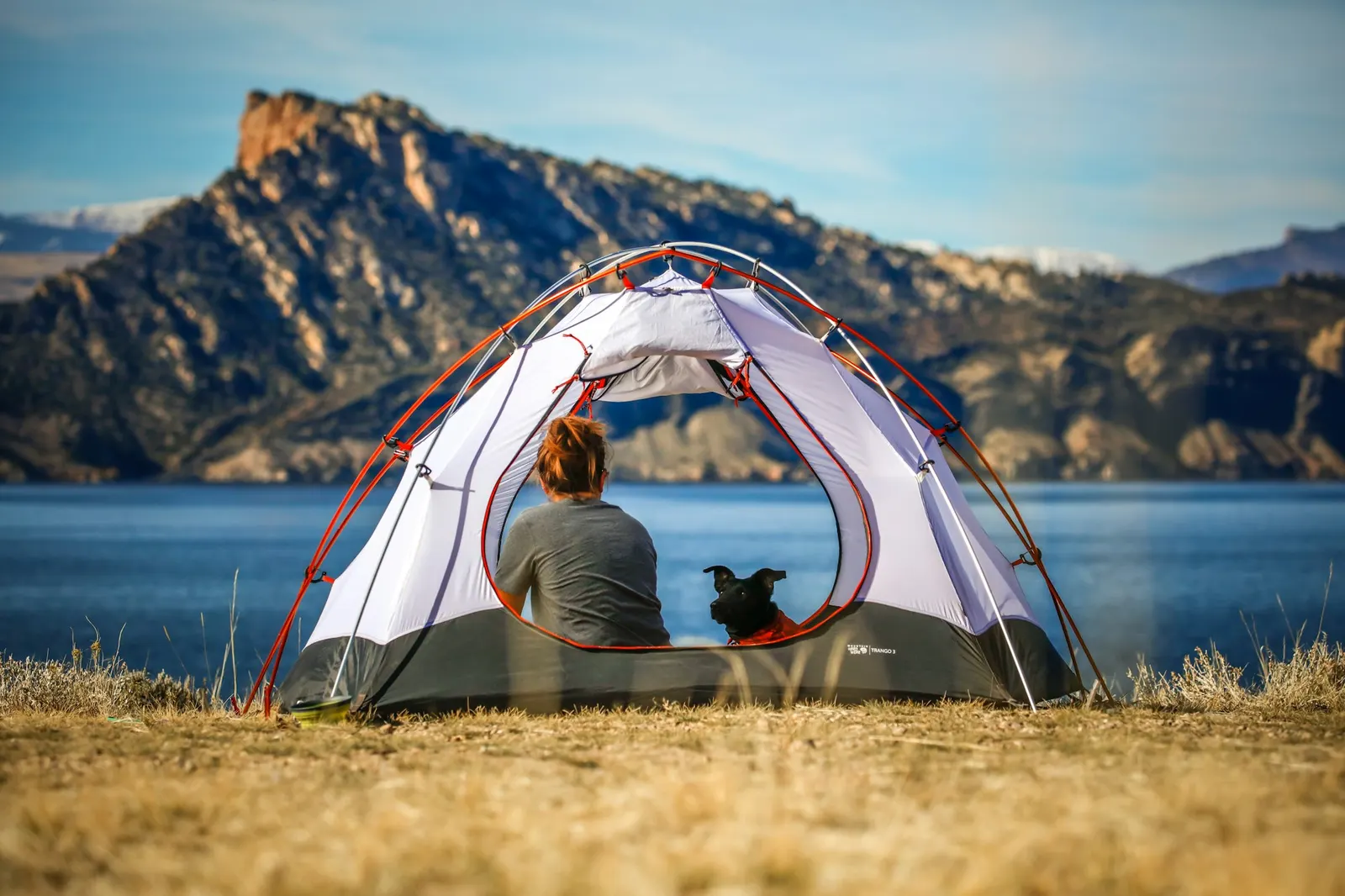
For many people, a camping trip is not complete without the dog. Dogs bring enthusiasm to every trail and a warm presence by the fire. They also bring responsibilities: rules about where they can go, risks from heat and wildlife, and the need to be a considerate neighbor. With a bit of planning, camping with a dog can be a highlight of the season.
Know where dogs are allowed
Rules differ widely by land manager:
- National parks: often the most restrictive. Many allow pets in campgrounds, parking areas and on roads, but not on most trails or in wilderness. Some offer specific pet-friendly paths.
- National forests: generally more permissive. Dogs are often welcome on trails and in campgrounds, typically leashed in developed areas.
- BLM land: usually allows dogs, with rules varying by area.
- State parks: policies differ by state and park, often with leash requirements and trail limits.
- Wilderness areas: may have leash rules, especially during wildlife seasons.
Check the specific campground and trail rules before you go. A common campground requirement is a leash no longer than six feet.
Is your dog ready?
Consider your dog's temperament, fitness and training before planning a camping trip:
- Does your dog respond reliably to recall and basic commands?
- Is your dog comfortable around strangers, other dogs and unfamiliar noises?
- Is your dog fit enough for the activities you plan?
- Is your dog up to date on vaccinations and parasite prevention? Ask your vet about region-specific concerns.
A practice night in the backyard tent or a short car-camping trip close to home is a great first step.
Gear for your dog
- Leash and collar or harness with ID tags and current contact information; consider a microchip.
- Tie-out or long line for camp, used under supervision.
- Collapsible food and water bowls.
- Food: regular meals plus extra for higher activity.
- Water: enough for your dog as well as yourself, especially in dry areas.
- Bed or pad and blanket for insulation from cold ground.
- Dog jacket for cold nights, especially for short-haired breeds.
- Booties for rough or hot ground.
- Waste bags and a sealable container to pack them out.
- Dog first-aid kit and a towel.
Heat, cold and hazards
Heat
Dogs are vulnerable to heat because they cool mainly by panting. Hot pavement, sand and rock can burn paws. In warm weather, plan activities for cooler hours, provide shade and water, and watch for heavy panting, drooling, weakness or vomiting. Never leave a dog in a parked vehicle. Our guide to staying cool in desert heat applies to dogs as well as people.
Cold
Short-haired and small dogs can get cold quickly on mountain nights. Give them insulation from the ground and a warm place to sleep, ideally inside the tent with you.
Water
Discourage drinking from stagnant ponds or water with visible algae blooms, which can be harmful to dogs. Bring treated water for your dog as you do for yourself.
Plants and terrain
Watch for foxtails and other grass awns in dry western meadows, which can work into ears, noses and paws. Check your dog after each walk. Be aware of cactus spines in desert areas.
Wildlife and your dog
Dogs can disturb, chase or be injured by wildlife. Keep them leashed and close, especially at dawn and dusk. Store dog food the same way you store your own food, in lockers or approved containers in bear country. Dog food left out attracts animals and can create problems for the next campers.
A well-behaved dog at camp is the best argument for keeping trails and campgrounds dog-friendly.
Etiquette at camp and on the trail
- Keep your dog leashed and within your campsite.
- Prevent excessive barking, especially during quiet hours.
- Do not leave your dog unattended at camp.
- Step aside on trails and keep your dog close when passing others, horses and pack stock.
- Not everyone loves dogs; ask before letting yours greet people or other pets.
A sample day at camp with a dog
A simple rhythm helps dogs settle into camp life:
- Early morning: a leashed walk before it gets warm, then breakfast once your dog has calmed down.
- Late morning: a hike or lake outing timed for cooler hours, with water breaks every half hour or so.
- Midday: rest in shade at camp on a pad or bed, with a full water bowl.
- Evening: dinner, a short stroll and a quick check of paws, ears and coat for foxtails, ticks or cuts.
- Night: sleep inside the tent or vehicle, never tied up outside unattended.
Familiar routines, toys and a favorite blanket help anxious dogs relax in a new place.
Pack out dog waste
Dog waste is not natural fertilizer. It can introduce bacteria and nutrients into waterways and spread disease to wildlife. Bag it and pack it out, or follow local guidance where burying is allowed. The principles in our Leave No Trace explainer apply to pets, too.
Lakeside and family trips
Dogs love lakes, but cold water and wind can be risky. Watch your dog closely, consider a dog life jacket for paddling, and towel them dry afterward. If kids are also coming, set rules for both. See camping with kids for family-friendly planning ideas.
Key takeaways
- Check dog rules for each land type; national parks are often the most restrictive.
- Keep dogs leashed and under control, especially around wildlife and other campers.
- Bring enough water, food and a warm bed for your dog.
- Protect your dog from heat, hot ground, cold and toxic plants or water.
- Pack out all dog waste, just as you would your own.
Quick FAQ
Can I bring my dog to national parks?
Many national parks allow dogs in developed areas such as campgrounds and roads, but often prohibit them on most trails and in wilderness. Rules vary by park, so check before you go.
Do dogs need their own sleeping pad?
It helps. Dogs lose heat to the ground just as people do. A small foam pad or dog bed, plus a blanket or dog jacket, can make cold nights more comfortable.
What should be in a dog first-aid kit?
Common items include gauze, vet wrap, antiseptic wipes, tweezers or a tick remover, booties, any medications your vet recommends and your vet's contact information.