Staying Cool in Desert Heat: A Camper's Field Guide
Practical strategies for camping safely in hot desert weather: timing, shade, water, clothing, recognizing heat illness and knowing when to change plans.
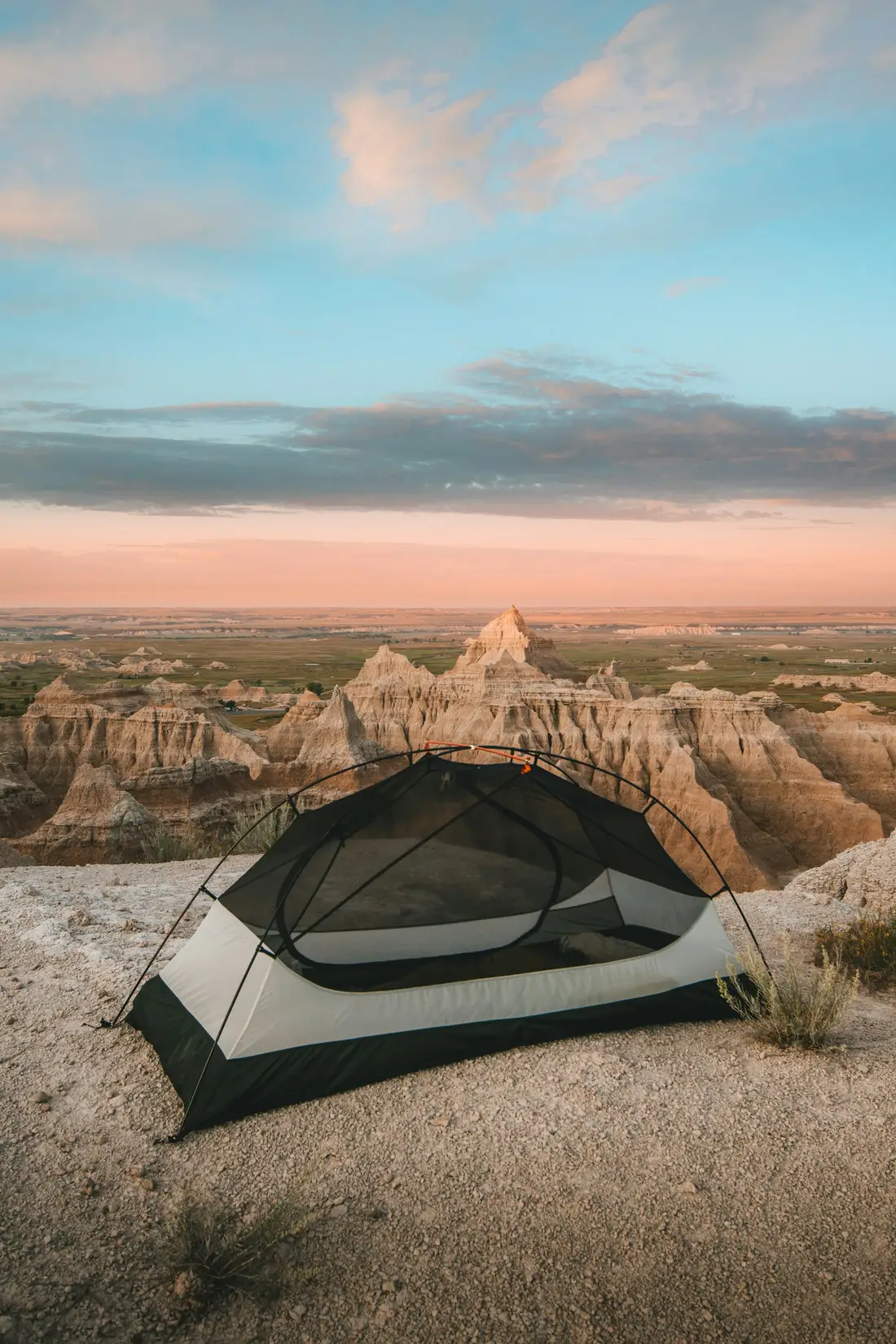
Desert heat is not just uncomfortable; it can be dangerous. Temperatures in the lowest basins of the Mojave can climb to extreme levels in summer, and even high-desert country in the Great Basin can be hot and exposed in July and August. Shade is scarce, water is scarce, and the dry air pulls moisture from your body faster than you notice.
That does not mean desert camping in warm weather is off-limits. It means planning around the heat instead of hoping to tough it out. Here is how we approach it.
Choose the season and elevation first
The most effective way to stay cool is to avoid the worst heat entirely.
- Low desert: most comfortable from fall through spring. In summer, consider somewhere else.
- Higher desert and mountains: every thousand feet of elevation helps. A camp in a desert mountain range can be far cooler than the basin floor below.
- Shoulder seasons: May and September can still bring hot afternoons in many desert areas. Watch the forecast closely.
For broader planning, see our guide to desert camping.
Shift your day to the cool hours
Desert residents and wildlife share a strategy: be active early and late, rest in the middle.
- Dawn to mid-morning: hike, explore and do camp chores.
- Late morning to late afternoon: rest in shade, read, nap and hydrate.
- Evening: cook dinner, take a short walk and enjoy the sunset.
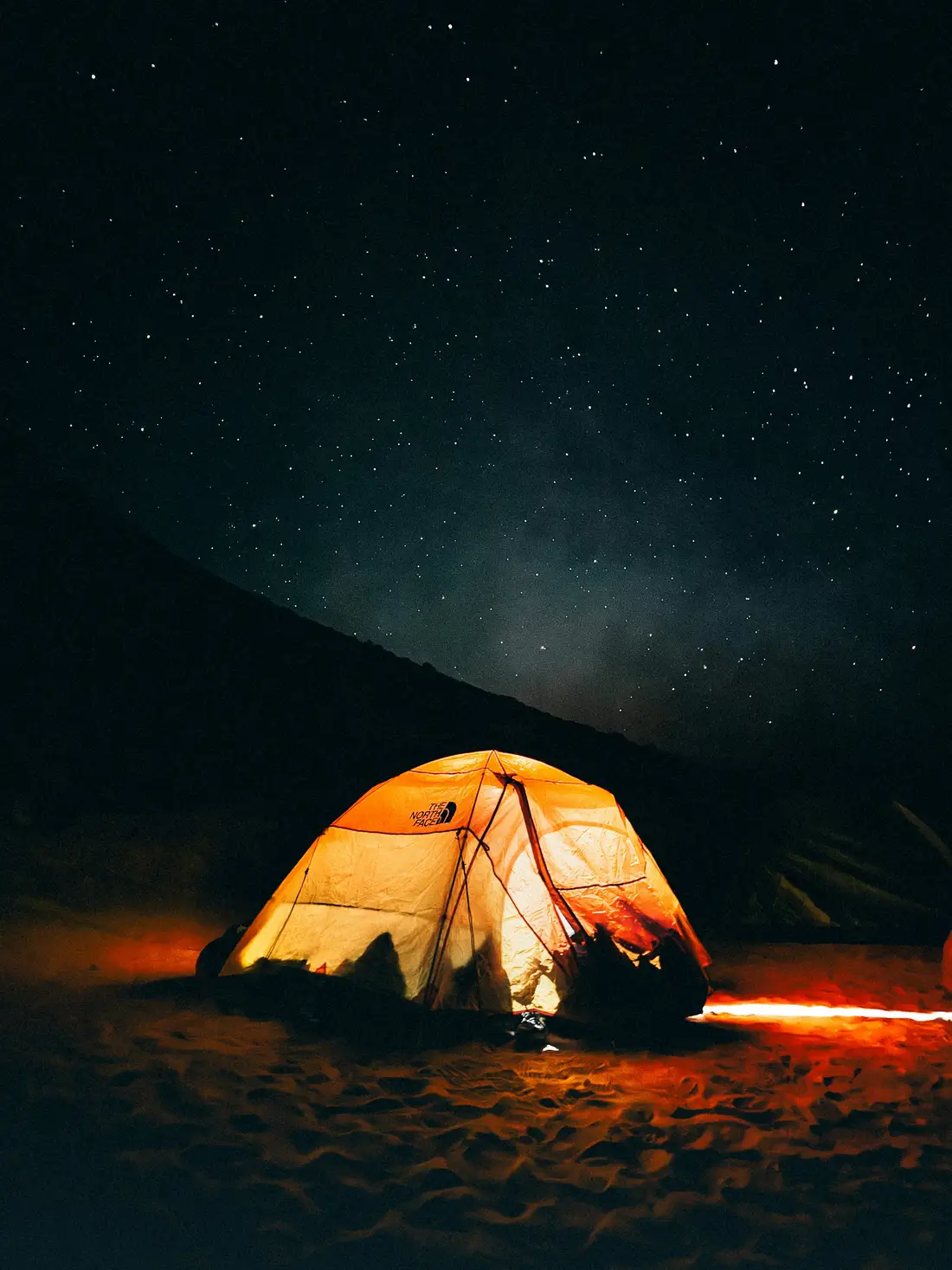
- Night: often the most pleasant time of day, perfect for stargazing.
Build shade
Shade can make a dramatic difference to how hot you feel. Options include:
- A reflective tarp or canopy, staked and guyed firmly. Desert wind can arrive suddenly.
- Natural shade from rock formations, but watch for loose rock and do not camp in washes.
- The shadow side of your vehicle, adding an awning or tarp.
Position your tent where it will get morning shade, or plan to set it up in the evening so it is not baking all day.
Water: drink, carry, reserve
In hot, dry conditions, you lose water through sweat and breathing faster than you might expect, and thirst lags behind need.
- Carry plenty. At least one gallon per person per day is a common minimum; hot weather and exertion require more.
- Drink regularly. Sip throughout the day rather than waiting until you are thirsty.
- Replace electrolytes. Salty snacks or electrolyte mixes help prevent the problems that come from drinking a lot of plain water while sweating heavily.
- Keep a reserve. Store a sealed container in your vehicle that you do not touch unless there is an emergency.
- Watch your urine. Pale yellow suggests you are keeping up; dark yellow means drink more.
Dress for heat, not for a tan
It sounds backward, but covering up often keeps you cooler in the desert sun.
- Loose, lightweight, light-colored long sleeves and pants reflect sun and protect skin.
- A wide-brim hat shades your face, neck and ears.
- Sunglasses with UV protection reduce glare and eye strain.
- A bandana or cooling towel wetted and worn on the neck provides evaporative cooling.
- Breathable shoes and light socks reduce blisters from hot, swollen feet.
Keep food and gear cool
- Keep coolers in shade, covered with a blanket or sleeping pad, and open them as little as possible.
- Freeze water bottles before the trip; they act as ice and become drinking water.
- Store electronics, fuel canisters and sunscreen out of direct sun.
- Plan no-cook lunches so you do not need a hot stove at midday.
Recognize heat illness
Knowing the warning signs can save a life. Health agencies describe two main conditions:
Heat exhaustion
Signs can include heavy sweating, cool and clammy skin, a fast and weak pulse, nausea, muscle cramps, tiredness, dizziness, headache and fainting. Move to a cooler place, loosen clothing, apply cool wet cloths and sip water. Get medical help if symptoms worsen or last more than an hour.
Heat stroke
Signs can include a high body temperature, hot and red skin that may be dry or damp, a fast and strong pulse, headache, confusion and loss of consciousness. Heat stroke is a medical emergency. Call for help immediately, move the person somewhere cooler and lower their temperature with cool cloths or water while waiting.
In the desert, the bravest decision is often to wait for evening, or to drive somewhere cooler.
Sleep cooler at night
Deserts often cool quickly after sunset, but some hot nights stay warm. To sleep better:
- Remove or open the rainfly on clear, calm nights to maximize airflow.
- Use a sleeping bag liner or sheet instead of a full bag.
- Wet a bandana and drape it over your neck before sleeping.
- Choose a site that catches evening breezes, away from heat-radiating rock walls.
Know when to change plans
Have a backup: a higher-elevation campground, a cooler region or a shorter trip. Signs it is time to adapt include forecasts of extreme heat, anyone in the group feeling unwell, water running lower than planned or pets struggling. Heading out early is not failure; it is good judgment.
For the payoff of desert nights, read stargazing camping trips. And if your dog is coming, see camping with dogs for heat precautions.
Key takeaways
- Avoid low desert camping in peak summer heat when you can; choose cooler seasons or higher elevations.
- Plan activities for early morning and evening, and rest in shade at midday.
- Carry at least a gallon of water per person per day, more in heat, plus electrolytes.
- Learn the signs of heat exhaustion and heat stroke; heat stroke is a medical emergency.
- Have a backup plan and be willing to leave if conditions become unsafe.
Quick FAQ
Is it safe to camp in the desert in summer?
It can be done with careful planning at higher elevations, but extreme heat in low desert basins can be dangerous. Many experienced campers choose fall, winter or spring for low desert trips instead.
Should I sleep with the rainfly off?
On clear, dry nights, removing the fly or opening it fully improves airflow and lets you see the stars. Keep it handy in case wind or a storm arrives.
What about pets in desert heat?
Dogs are very vulnerable to heat, and hot ground can burn their paws. Keep them in shade, provide plenty of water and never leave them in a vehicle.