A1
A139.5°N · 119.8°W
Tent Camping
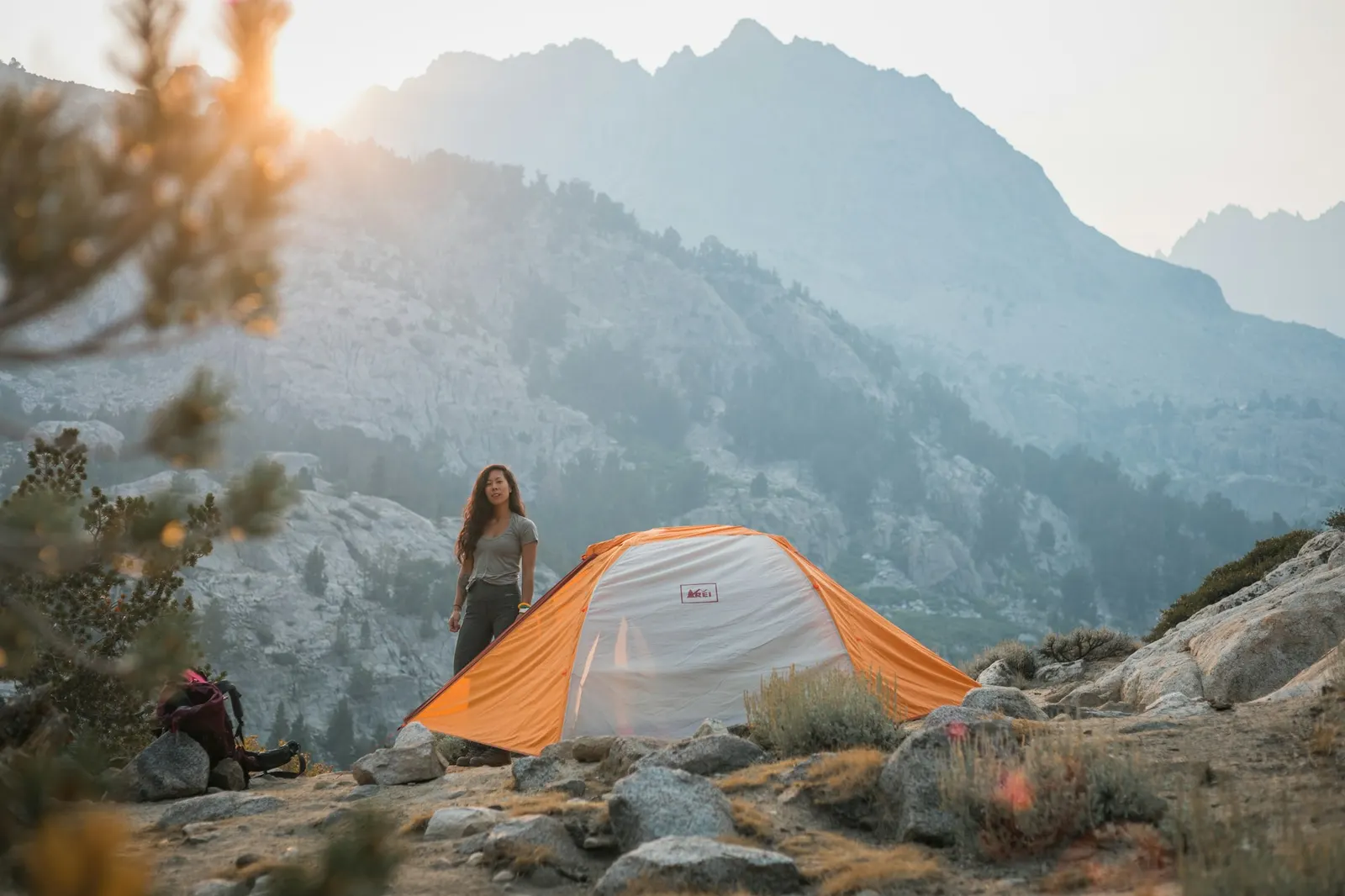
The all-round entry point: a developed campground or a quiet forest site, a three-season tent and a good night under the pines.
Open grid square
The camp grid
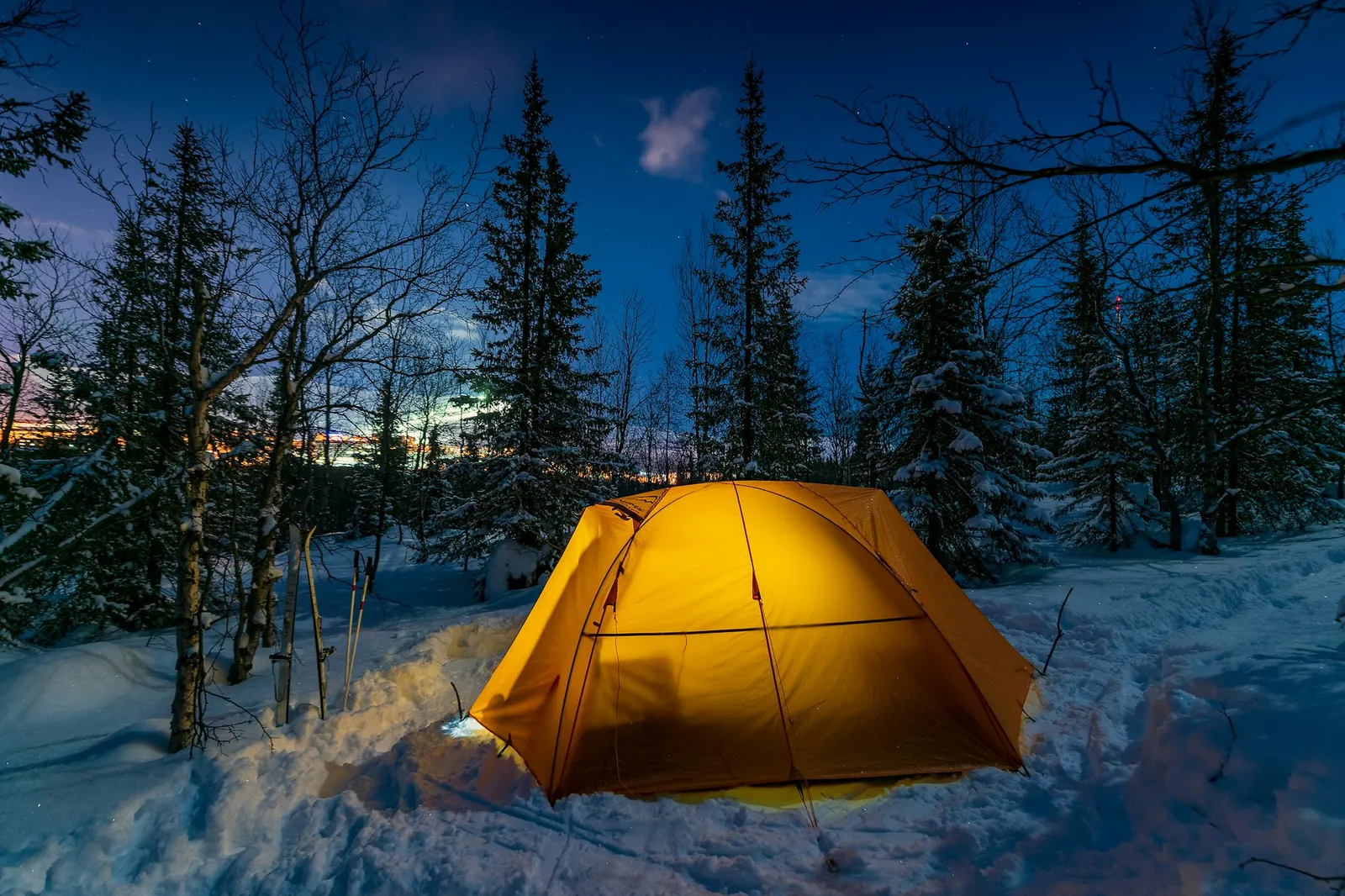
From roadside car camps in the pines to snow camps above a frozen lake, every trip type comes with its own rhythm, risks and packing logic. Choose a square to dig in.
Side by side
Typical patterns for the western U.S. Conditions vary widely by year, elevation and location, so treat these as starting points.
| Trip type | Typical season | Common elevation | Skill level | Packing style |
|---|---|---|---|---|
| Tent Camping | Late May to October | 4,000–8,500 ft | Beginner to intermediate | Car or short walk-in |
| Car Camping | Year-round, by elevation | Sea level to 9,000 ft | Beginner | Vehicle-based, bins and coolers |
| Backpacking Trips | July to September in high country | 6,000–11,000+ ft | Intermediate to advanced | Everything on your back |
| Desert Camping | October to April in low desert | -200 to 7,000 ft | Intermediate | Water-heavy, shade-focused |
| Lakeside Camping | June to September | 4,000–10,500 ft | Beginner to intermediate | Car, walk-in or backpack |
| Winter Camping | December to March | 5,000–9,000 ft | Advanced | Heavy, warm and redundant |
Start with the people, not the place. A first trip with young children is usually happiest at a developed campground with a short walk to the car and a toilet nearby, which points to car camping or easy tent camping. Experienced hikers looking for solitude will gravitate toward backpacking.
Then match the season. Western deserts are most comfortable from late fall to spring, while high Sierra lakes are usually snow-free only from early summer into fall. Winter camping asks for the most preparation of all.