Camping with Kids: A Calm Plan for Happy Family Trips
How to plan a family camping trip that works for children of all ages, with tips on choosing a campground, sleep, food, safety and keeping everyone engaged.
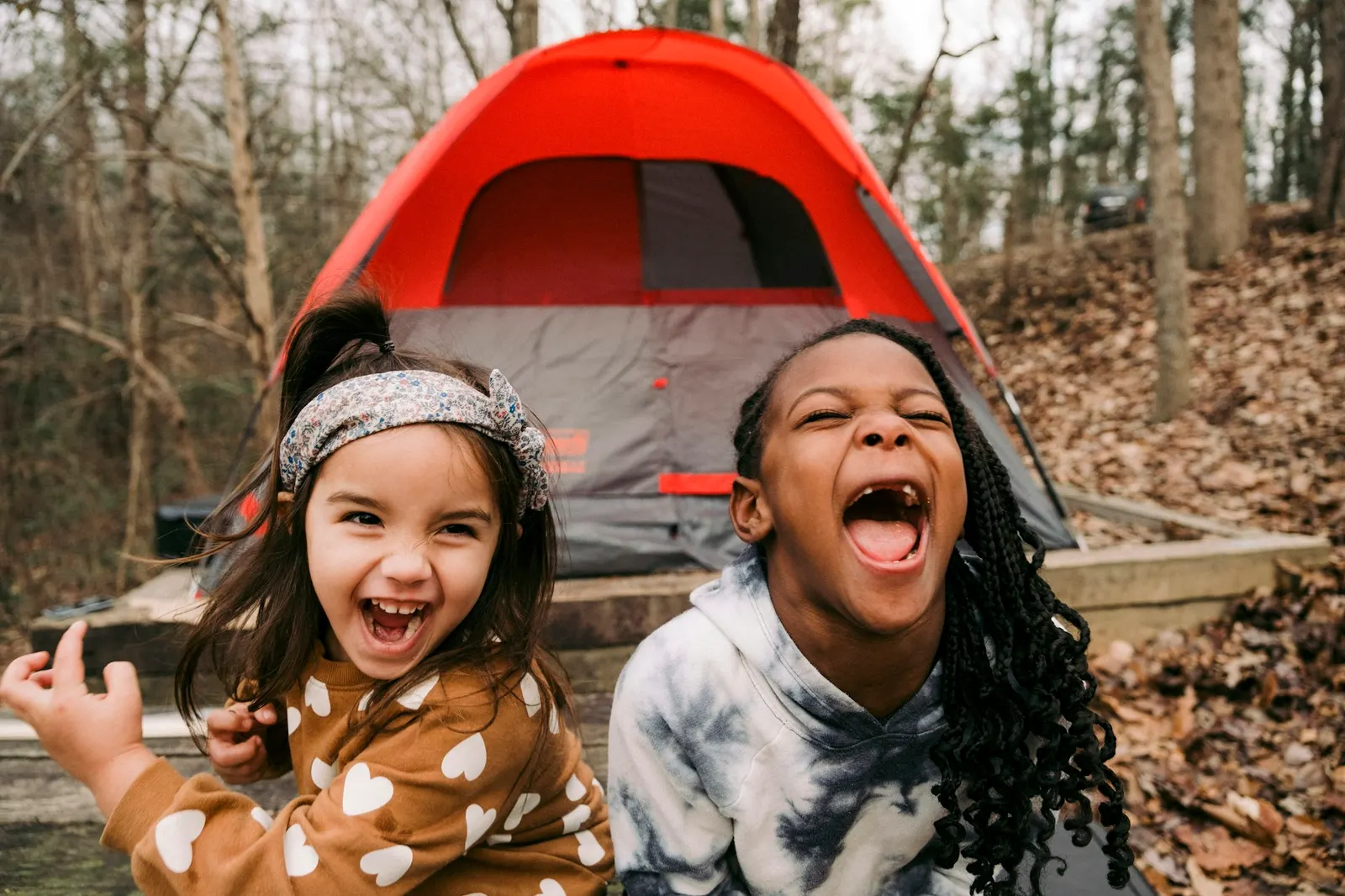
Camping with children is noisier, slower and messier than camping as adults. It is also one of the best ways to give them a lasting connection to the outdoors. The trick is to plan for the realities of kids, not the trip you might take alone. Here is how to set your family up for a good time.
Choose the right first destination
For the first trip or two, keep it easy:
- Drive time: two hours or less from home, so the trip does not begin with a long, cranky drive.
- Developed campground: look for toilets, potable water, picnic tables and fire rings.
- Short walk from the car: it makes unloading, naps and quick fixes simple.
- Nearby activities: a shallow creek, an easy trail or a lake beach.
- Moderate elevation: high camps can be very cold at night; lower ones may be hot. Aim for the middle in summer.
Reserving a site in advance removes the stress of hunting for one with tired kids in the car. Read reserving campsites on public lands for how that works.
Plan for their age
Babies and toddlers
Short trips work best. Bring a portable crib or play yard for safe sleeping and contained play, plenty of layers, and familiar foods. Expect naps to be harder outdoors, so plan downtime in the shade or in the car.
Preschool and early grade school
This is the age of endless curiosity. Short hikes with frequent stops, simple chores and lots of exploration time keep them happy. Bright clothing and a whistle are worth the effort.
Older kids and teens
Give them real responsibility: setting up their own tent, planning a meal or navigating a hike with a map. Inviting a friend along often makes the trip more appealing.
Involve kids in the planning
Children are more enthusiastic when they feel part of the trip. Let them:
- Help choose the campground from two or three options.
- Pack their own small bag with a flashlight, a comfort item and a few toys.
- Pick one meal or snack for the menu.
- Practice setting up the tent in the yard or living room.
A backyard sleepover in the tent is a great rehearsal, especially for younger kids.
Sleep: the make-or-break factor
A tired child is an unhappy camper, and so is a tired parent. Focus on warmth and familiar routines.
- Insulation: give each child an insulated sleeping pad, not just an air mattress.
- Sleeping bags: kid-sized bags warm up faster than oversized adult bags.
- Layers: dress kids in a dry base layer, warm socks and a hat at bedtime.
- Routines: keep a familiar bedtime story or song.
- Light: a small, dim nightlight or glow stick can ease nighttime worries.
Food that keeps everyone happy
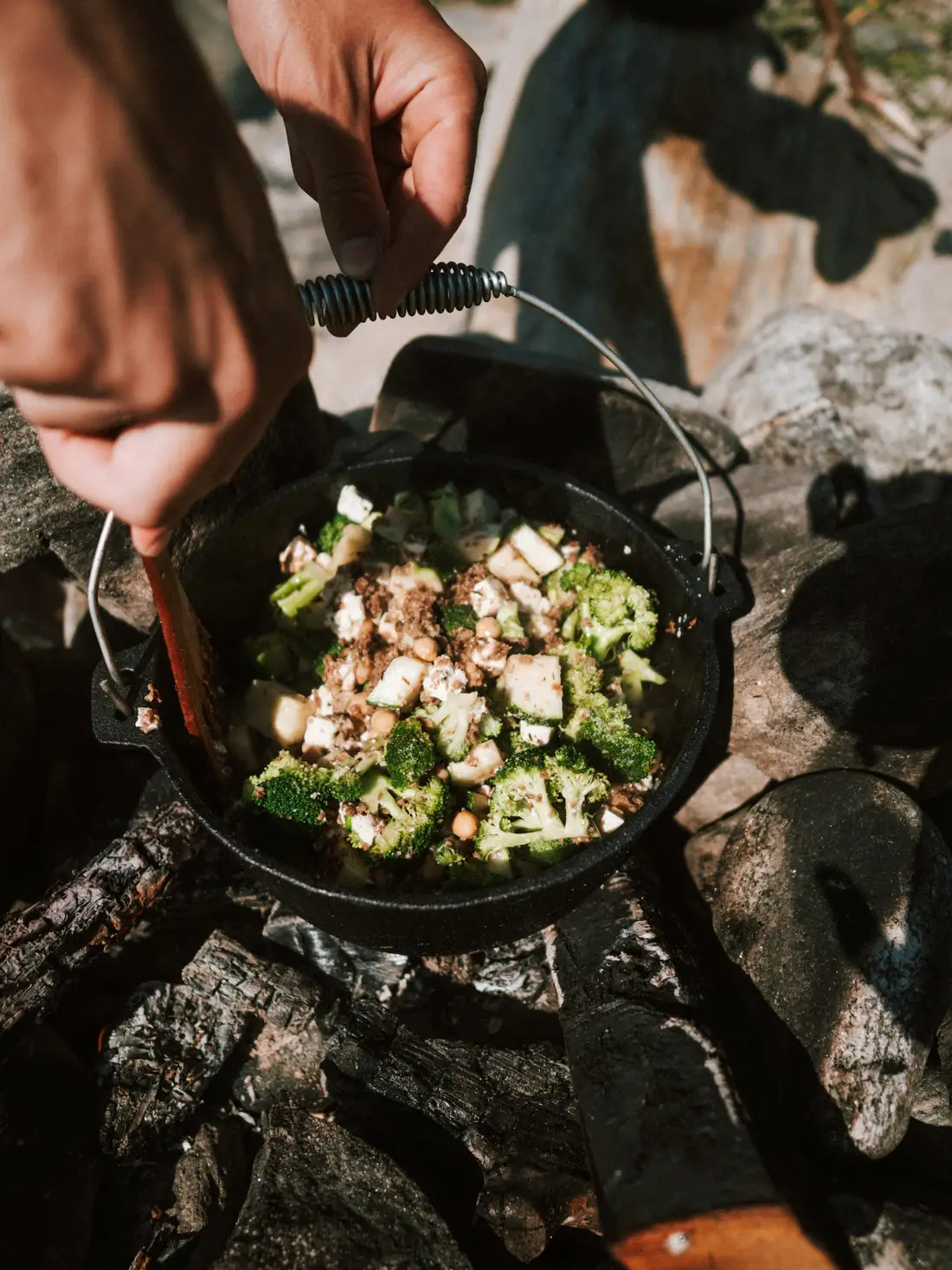
Keep camp meals simple and familiar. Camping is not the time to introduce new foods. A few family-friendly ideas:
- Pancakes with pre-mixed batter in a squeeze bottle.
- Foil-pack dinners that kids can help assemble.
- Quesadillas, hot dogs or pasta.
- Fruit, crackers, cheese and trail mix for snacks.
- A special treat that is only for camping trips.
Pack more snacks than you think you need, and keep water bottles filled. More meal ideas are in camp cooking basics.
Safety rules worth setting on day one
Agree on a few clear, simple rules as soon as you arrive, and walk the site together so everyone knows the boundaries.
- Water: no going near creeks or lakes without an adult. Use life jackets for swimming and paddling.
- Fire: a set distance from the fire ring, and only adults handle the fire or stove.
- Boundaries: stay within sight of camp; agree on landmarks.
- Getting lost: give each child a whistle and teach them to stay put and blow three blasts if they are separated.
- Wildlife: never feed or approach animals, and keep food in the locker or car.
Dress children in bright clothing, which makes them easier to spot.
Kids do not need a packed itinerary. Give them a stick, a creek and an afternoon, and they will build their own adventure.
Things to do at camp
Children often enjoy exploring more than structured activities. Offer a mix:
- Nature scavenger hunt: a pinecone, a feather, a heart-shaped rock. Look, photograph and leave in place.
- Short hikes: pick trails with a payoff, like a creek, a viewpoint or a small waterfall.
- Junior Ranger programs: many national parks and some other public lands offer free activity booklets.
- Camp chores: kids often love collecting water, setting the table or sweeping the tent.
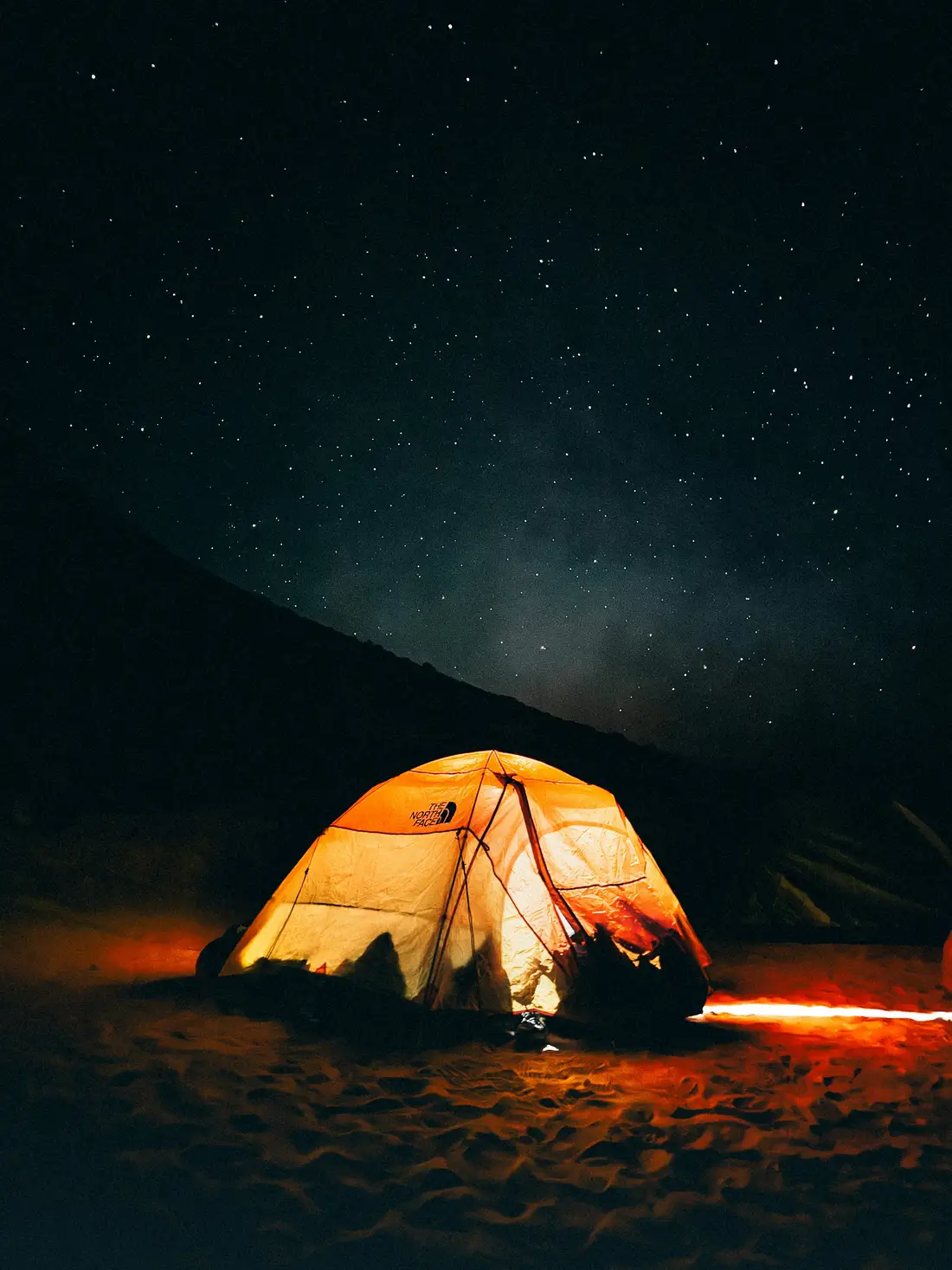
- Night sky: look for planets, constellations and satellites. See our stargazing guide.
Packing extras for kids
- Twice as many socks as you think, plus a full change of clothes per day.
- Rain gear and warm jackets, even in summer.
- Sun hats, kid-safe sunscreen and sunglasses.
- A well-stocked first-aid kit with kid-specific medications and plenty of bandages.
- Wet wipes and hand sanitizer.
- A small backpack for each child with water and a snack.
Lower expectations, raise the fun
Things will go sideways: spilled cocoa, a skinned knee, a midnight bathroom trip. Plan for slower days, build in downtime and celebrate small wins. If the weather or the mood turns, it is fine to pack up early. The goal is for everyone to want to go again. Use our first-time camping checklist as a base and add your family's extras.
Key takeaways
- Choose a developed campground close to home for the first few trips.
- Keep sleep routines as familiar as possible, and pack extra warm layers for kids.
- Simple, familiar meals and lots of snacks keep moods steady.
- Set clear safety rules about water, fire, wandering and wildlife.
- Plan unstructured time; kids often love exploring more than scheduled activities.
Quick FAQ
What is a good age to start camping with kids?
Families camp with children of all ages, including babies. The right time is when parents feel ready. Younger children often do best on short trips close to home at campgrounds with amenities.
How do I keep kids warm at night?
Use a kid-sized sleeping bag or an adult bag with the extra length folded under. Dress them in dry base layers, socks and a hat, and put an insulated pad underneath. Check on them during the night.
What if the trip goes badly?
It is okay to go home early. A trip cut short with good memories is better than one that sours children on camping. Car camping makes this an easy option.