Reserving Campsites on Public Lands: How the System Works
A clear guide to how campsite reservations, first-come sites, dispersed camping and wilderness permits work on federal and state public lands in the West.
A decade ago, many western campers simply drove up on a Friday and found a spot. Today, popular campgrounds in the Sierra Nevada and around famous parks can be fully booked months in advance. That can be frustrating, but the system is learnable, and there are still plenty of ways to find a good place to sleep.
This guide explains how campsite access generally works on public lands in the western United States. Policies change frequently, so always confirm details with the managing agency.
Step one: who manages the land?
Public land in the West is managed by several agencies, and each has its own approach:
- National Park Service: manages national parks and monuments. Campgrounds are often reserved, and wilderness travel usually requires a permit.
- U.S. Forest Service: manages national forests. A mix of reservable campgrounds, first-come sites and dispersed camping.
- Bureau of Land Management (BLM): manages large areas of Nevada and the desert West. Some developed campgrounds, plus extensive dispersed camping.
- State parks: each state runs its own system, with separate reservation platforms and rules.
- Other managers: counties, utilities, tribes and reservoir authorities also run campgrounds.
Look at a land ownership map or the campground's official page to identify the manager.
Reservable campgrounds
Many federal campgrounds managed by the Forest Service, National Park Service, BLM and others are booked through Recreation.gov, the federal reservation platform. State parks use their own systems.
How booking windows work
Many campgrounds release sites on a rolling window, often several months before the arrival date, and frequently at a set time of day. Others open the whole season on a specific date. Popular campgrounds can fill within minutes of opening.
Tips for securing a site
- Create your account and save payment details in advance.
- Note the exact opening date and time for your target dates, including the time zone.
- Have a short list of acceptable sites and backup campgrounds ready.
- Consider weekdays and shoulder seasons, which are much easier to book.
- Check back for cancellations; sites often reopen as plans change.
First-come, first-served sites
Some campgrounds, or some sites within them, are not reservable. Arriving early, especially on a weekday or a Thursday before a weekend, gives the best chance. Read the self-registration instructions at the entrance and follow them exactly, including displaying your receipt or tag. Have a backup plan if everything is full.
Dispersed camping
On much national forest and BLM land, camping outside developed campgrounds is permitted, usually without a reservation or fee. This is a major resource in the West, especially in Nevada's vast BLM lands. Key points:
- Check local rules. Some areas are closed to camping, or require you to stay a certain distance from roads, water or developed sites.
- Stay limits apply. A common limit on many federal lands is 14 days within a set period, after which you must move a specified distance.
- Use existing sites. Camp on already-impacted spots and do not drive on vegetation.
- Be self-sufficient. No water, toilets or trash service. Pack it in, pack it out.
- Fire permits and restrictions. In California, a free campfire permit is generally needed to use a stove or fire outside developed recreation sites on federal land.
Motor vehicle use maps for national forests show which roads are open to vehicles and where roadside camping may be allowed.
The campground you can book is the one you will enjoy. Flexibility on dates and locations beats refreshing the same page every morning.
Wilderness permits are separate
Backpacking trips into designated wilderness often require a wilderness permit, which is different from a campground reservation. Popular areas in the Sierra use trailhead quotas during peak season, and permits may be released in advance, with a share reserved for later or walk-up availability. Permits come with regulations on group size, campfires, food storage and camping distances. See our backpacking trips guide.
Passes, fees and parking
Some areas charge entrance or day-use fees separate from camping fees. Interagency annual passes cover entrance and standard amenity fees at many federal sites, but they usually do not cover camping fees. In winter, some trailheads require separate parking permits. Check what is required at each place you plan to visit.
Arriving at a reserved site
- Carry your confirmation offline; there may be no cell service.
- Note check-in and check-out times, and arrive in daylight if possible.
- Read the campground bulletin board for fire restrictions, wildlife notices and quiet hours.
- If you cannot use your reservation, cancel promptly so someone else can.
Finding quieter options
If popular spots are booked, consider less famous national forests and BLM areas, campgrounds slightly farther from major attractions, midweek trips, early summer or fall shoulder seasons, and group sites if you are traveling with friends. These options often offer more space and solitude anyway.
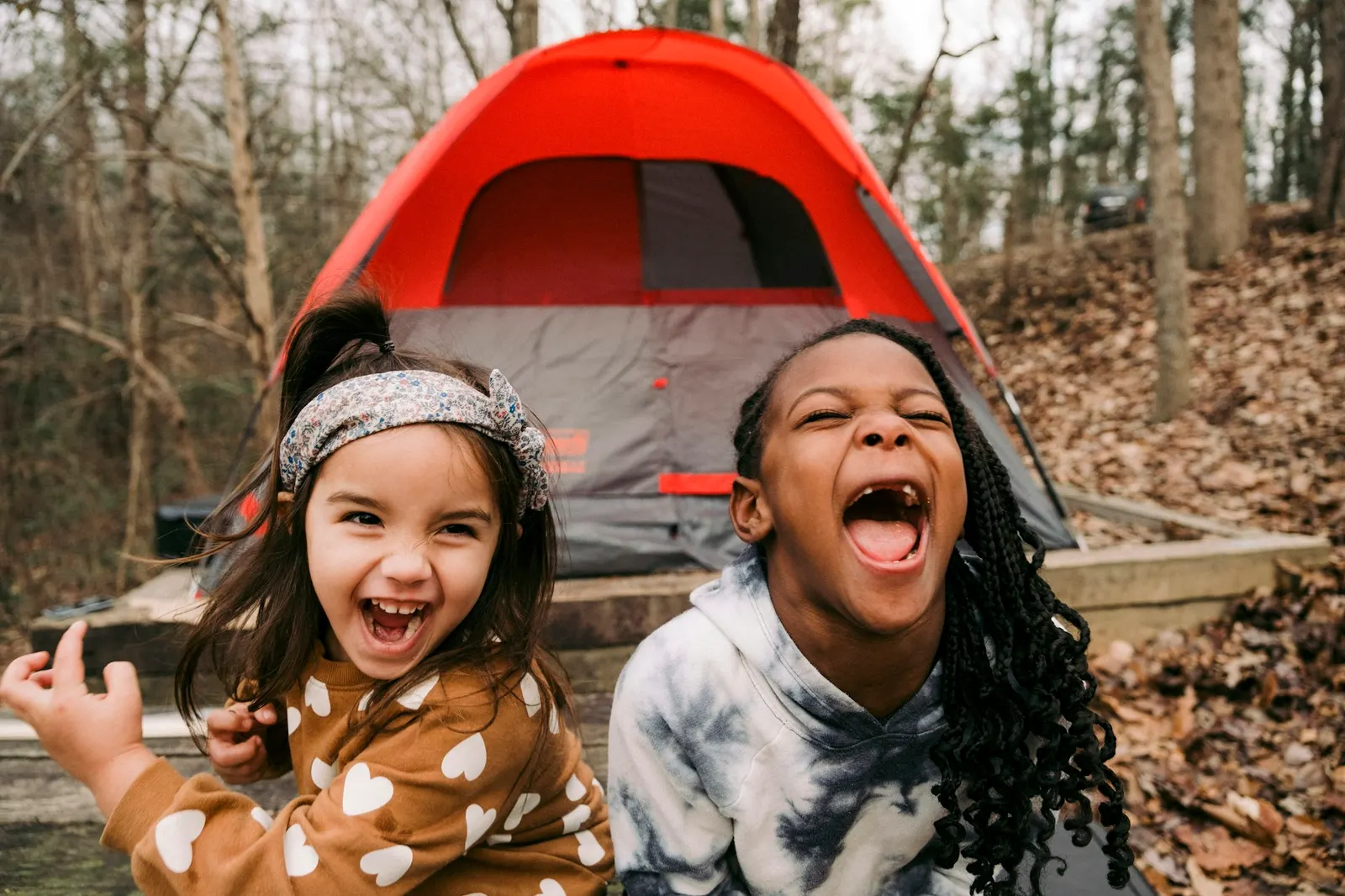
Planning a family trip? Our camping with kids guide explains why a reserved site near home is worth the effort. Once you arrive, use how to choose a campsite to set up well.
Key takeaways
- Identify the managing agency first; it determines the reservation system and rules.
- Many federal campgrounds are booked through Recreation.gov; state parks use their own systems.
- Popular sites can open months ahead on rolling windows and fill quickly.
- First-come and dispersed camping are good options, especially midweek and in shoulder seasons.
- Wilderness permits are separate from campground reservations.
Quick FAQ
How far in advance can I reserve?
It varies by agency and campground. Many federal campgrounds open reservations several months ahead, often on a rolling window, while some open on set dates. Check each listing.
What happens if I cancel?
Cancellation and change policies, including any fees, are set by the reservation system and agency. Read them carefully before booking.
Is dispersed camping really free?
On much national forest and BLM land, dispersed camping does not require a fee, but rules on location, stay length and fire use still apply. Some areas require permits or prohibit camping.