Leave No Trace Explained: The Seven Principles in Practice
A plain-language guide to the seven Leave No Trace principles, with practical examples for campers in the Sierra, Great Basin and desert West.
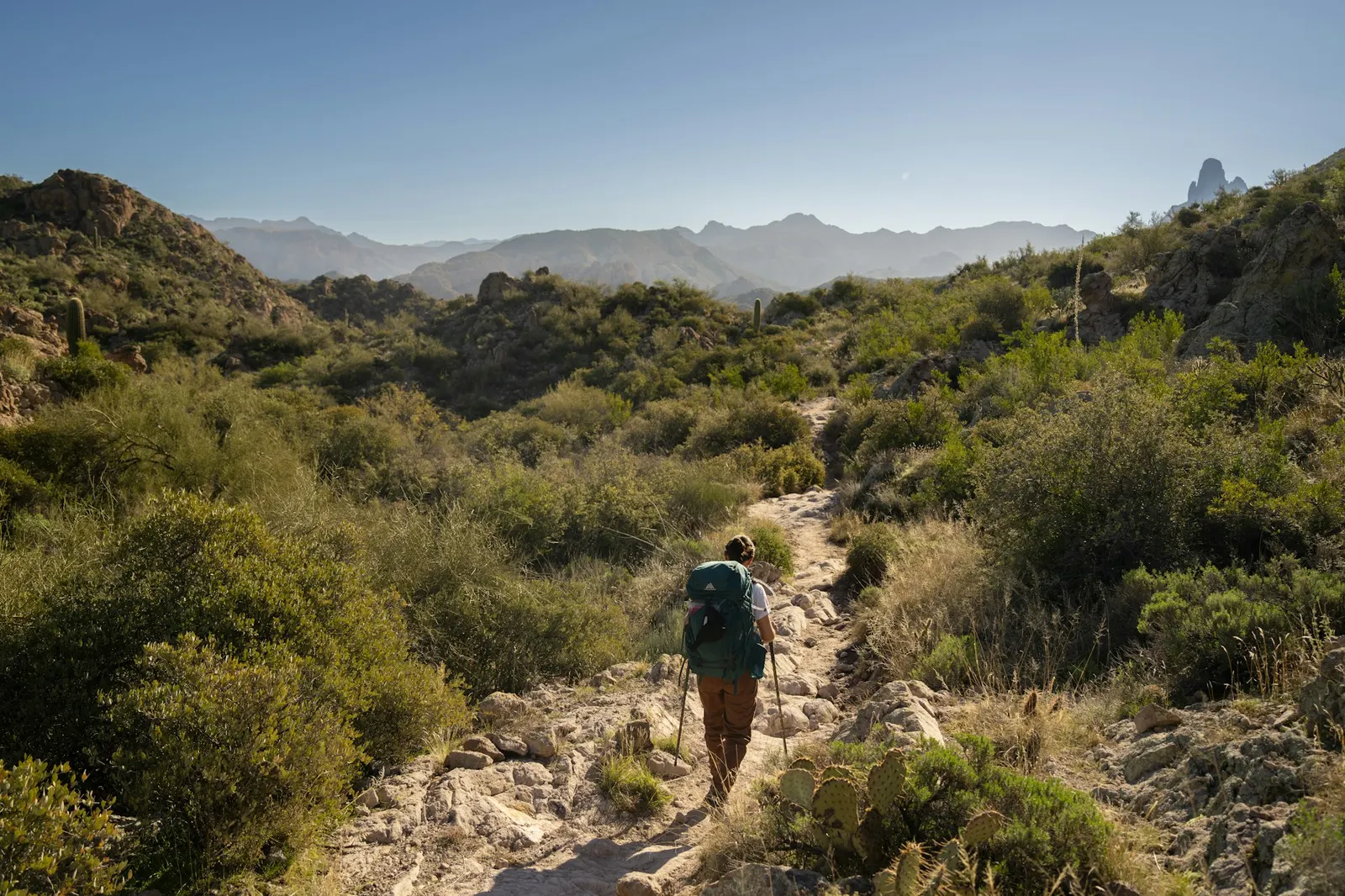
The landscapes of the American West feel enormous and timeless. But many are more fragile than they look. Alpine meadows have short growing seasons, desert soils can take decades to recover, and popular lakeshores see thousands of visitors each summer. Small impacts add up.
Leave No Trace is a set of seven principles, developed and promoted by the nonprofit Leave No Trace Center for Outdoor Ethics and widely adopted by land managers, that help campers reduce their impact. They are guidelines, not laws, but many local regulations reflect them. Here is what each principle means in practice.
1. Plan ahead and prepare
Most impacts can be avoided before you leave home. Good planning means:
- Knowing the regulations and special concerns for the area, such as food storage, fire rules and group size limits.
- Preparing for weather, hazards and emergencies so you are not forced into poor choices.
- Scheduling trips to avoid peak times when possible.
- Repackaging food to reduce waste you will need to carry out.
- Using a map and compass or GPS so you do not need to mark trails with rock piles or flagging.
2. Travel and camp on durable surfaces
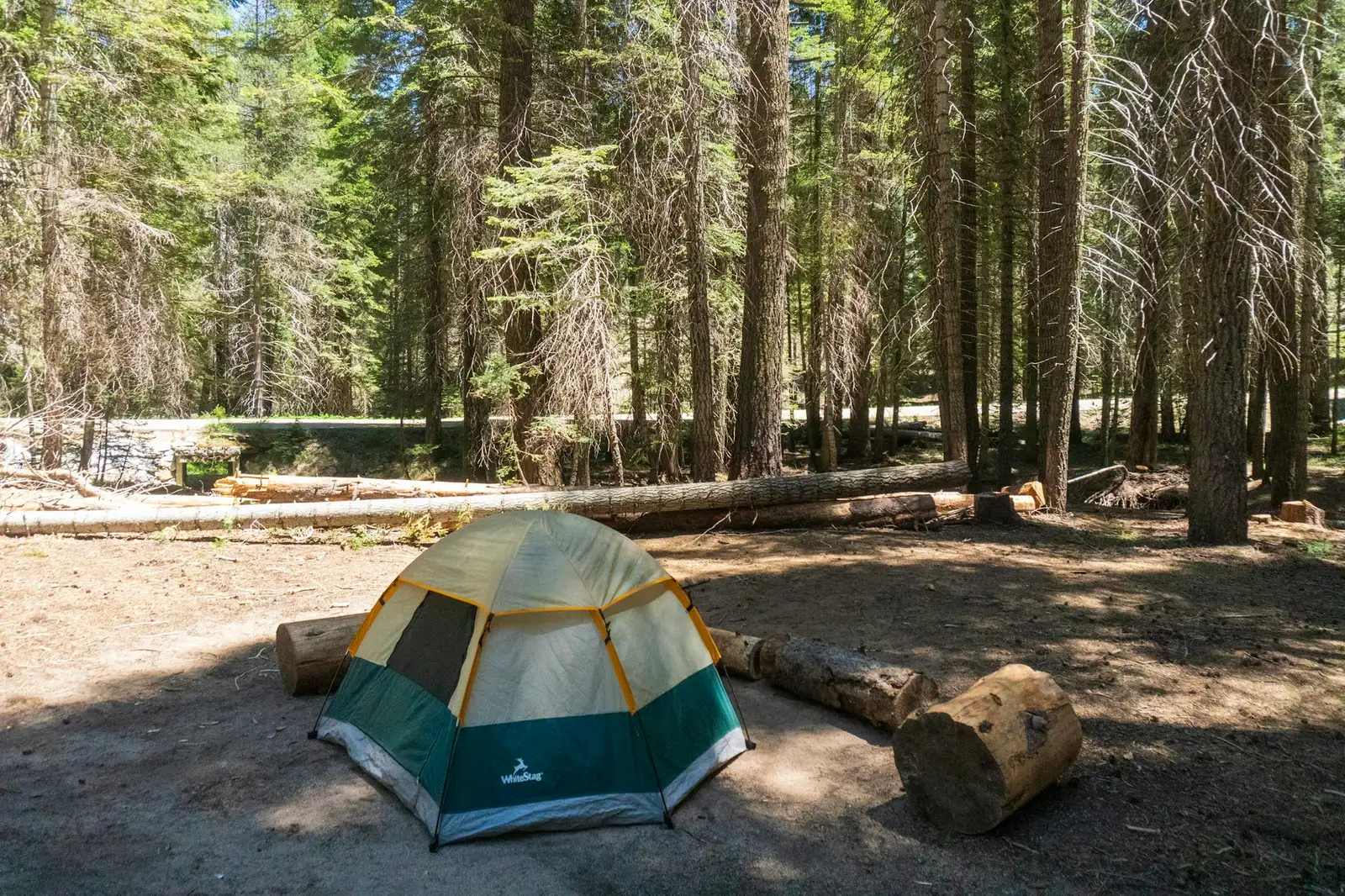
Durable surfaces include established trails and campsites, rock, gravel, dry grasses and snow. The goal is to concentrate use where impact already exists, or spread it out where none exists.
- In popular areas, use existing trails and campsites. Walk single file in the middle of the trail, even when it is wet or muddy.
- In pristine areas, disperse use to avoid creating new trails or campsites, and avoid places where impacts are just beginning.
- Camp at least 200 feet from lakes and streams when outside developed sites.
In the desert, take extra care with biological soil crust, the dark, lumpy living layer on undisturbed ground. One footprint can damage it for years.
3. Dispose of waste properly
"Pack it in, pack it out" is the heart of this principle. Inspect your campsite and rest areas for trash or spilled food before leaving.
- Trash: carry out everything, including food scraps, wrappers, twist ties and fruit peels.
- Human waste: use toilets where available. Otherwise, dig catholes 6 to 8 inches deep, at least 200 feet from water, camp and trails, and cover them when done. In some areas, including certain river corridors, high-use alpine zones and deserts, packing out human waste is required.
- Toilet paper and hygiene products: pack them out in a sealed bag.
- Wash water: carry water away from streams or lakes, use small amounts of biodegradable soap and scatter strained dishwater.
4. Leave what you find
Preserve the past and let others experience a sense of discovery.
- Leave rocks, plants, antlers and other natural objects as you find them.
- Do not touch, move or collect cultural or historic artifacts, such as stone tools, pottery fragments or old structures. Many are protected by federal law.
- Avoid introducing non-native species: clean boots, tires and gear between trips, and do not transport firewood long distances.
- Do not build structures, dig trenches or carve into trees or rocks.
5. Minimize campfire impacts
Campfires can cause lasting impacts and, in the dry West, can start wildfires. Use a lightweight stove for cooking and enjoy a lantern for light.
- Where fires are permitted, use established fire rings.
- Keep fires small. Use only sticks from the ground that can be broken by hand.
- Burn all wood and coals to ash, put out fires completely, then scatter cool ashes where appropriate.
- Always check current fire restrictions; many western areas restrict or ban fires in summer and fall.
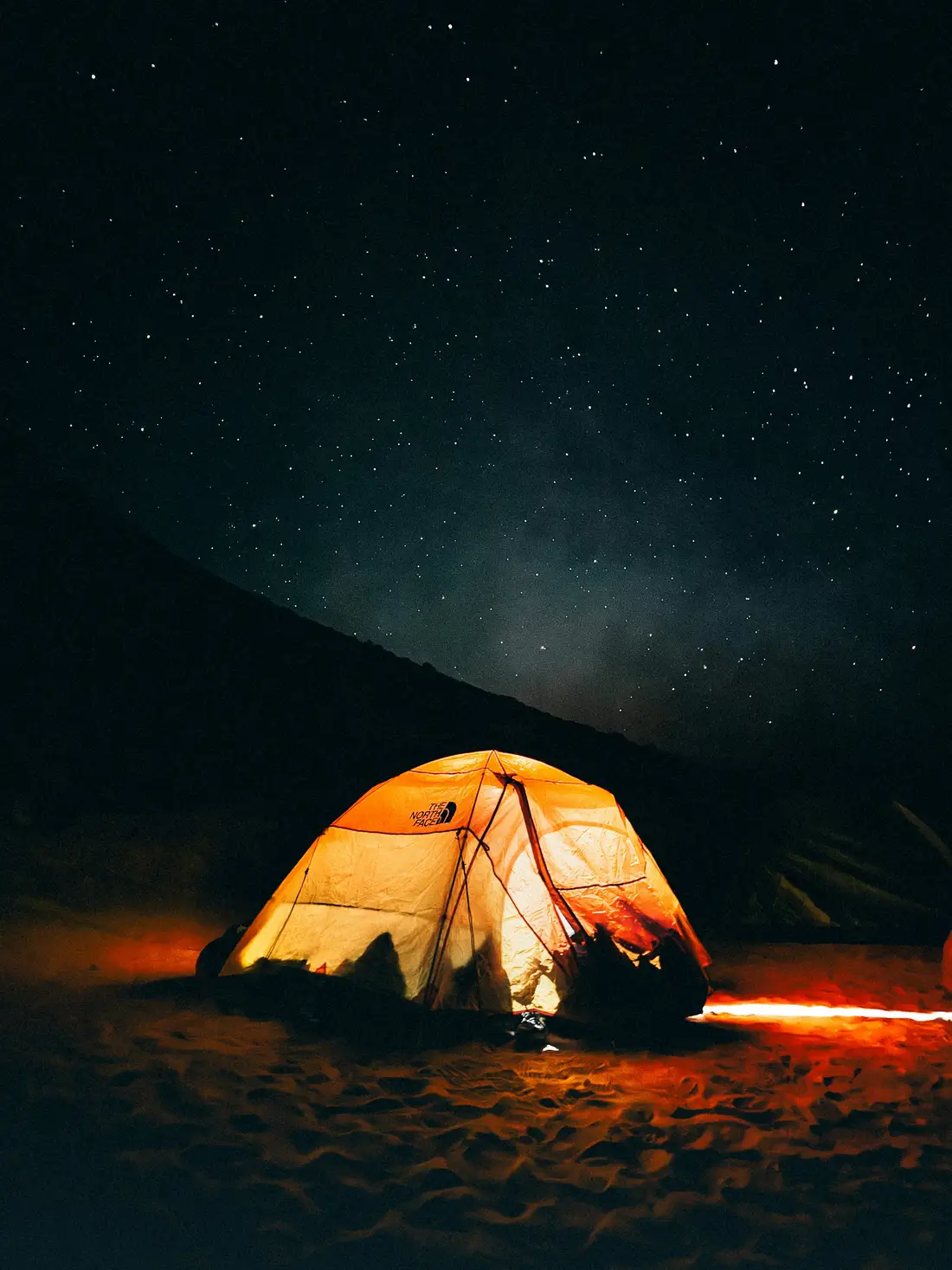
The best campfire is sometimes no campfire at all. A starry sky without firelight is its own reward.
6. Respect wildlife
- Observe wildlife from a distance; do not follow or approach animals.
- Never feed animals. Feeding damages their health, alters natural behaviors and exposes them to predators and other dangers.
- Protect wildlife and your food by storing rations and trash securely.
- Control pets at all times, or leave them at home.
- Avoid wildlife during sensitive times: mating, nesting, raising young or winter.
Bringing a dog? See our guide to camping with dogs for wildlife-friendly habits.
7. Be considerate of other visitors
- Respect other visitors and protect the quality of their experience.
- Be courteous and yield to others on the trail.
- Step to the downhill side of the trail when encountering pack stock.
- Take breaks and camp away from trails and other visitors.
- Let nature's sounds prevail. Avoid loud voices and noise, and keep lights low at night.
Light consideration extends to the night sky, too. Our stargazing guide explains how red lights and shielded lanterns help everyone enjoy the dark.
Putting it all together
Leave No Trace is not about perfection; it is about making the best choice available in the moment. A good habit is a final camp sweep before leaving: walk the site slowly, pick up every bit of micro-trash, check that the fire is cold, and leave the site as you would hope to find it. Choosing a spot well to begin with makes this easier; read how to choose a campsite for more.
Key takeaways
- Leave No Trace is a framework of seven principles, not a rigid rulebook.
- Planning ahead prevents most impacts before you arrive.
- Use durable surfaces and existing sites to concentrate impact.
- Pack out all trash, including food scraps and micro-trash.
- Follow local fire rules and keep campfires small or skip them.
Quick FAQ
Are orange peels and apple cores really trash?
Yes. They take a long time to break down in dry or cold climates, attract wildlife and look unsightly to the next visitor. Pack them out with the rest of your trash.
Is it okay to take a single rock or pinecone home?
In national parks, collecting natural objects is generally prohibited. Elsewhere, it is still best to leave them where they are so others can enjoy them and ecosystems stay intact.
How deep should a cathole be?
Leave No Trace guidance is about 6 to 8 inches deep, at least 200 feet from water, trails and camp. Some areas require packing out human waste, so check local regulations.