Layering for Cold Nights: How to Sleep Warm Outdoors
How to use base, mid and outer layers, sleeping pads and sleeping bags together to stay warm on cold mountain and desert nights.
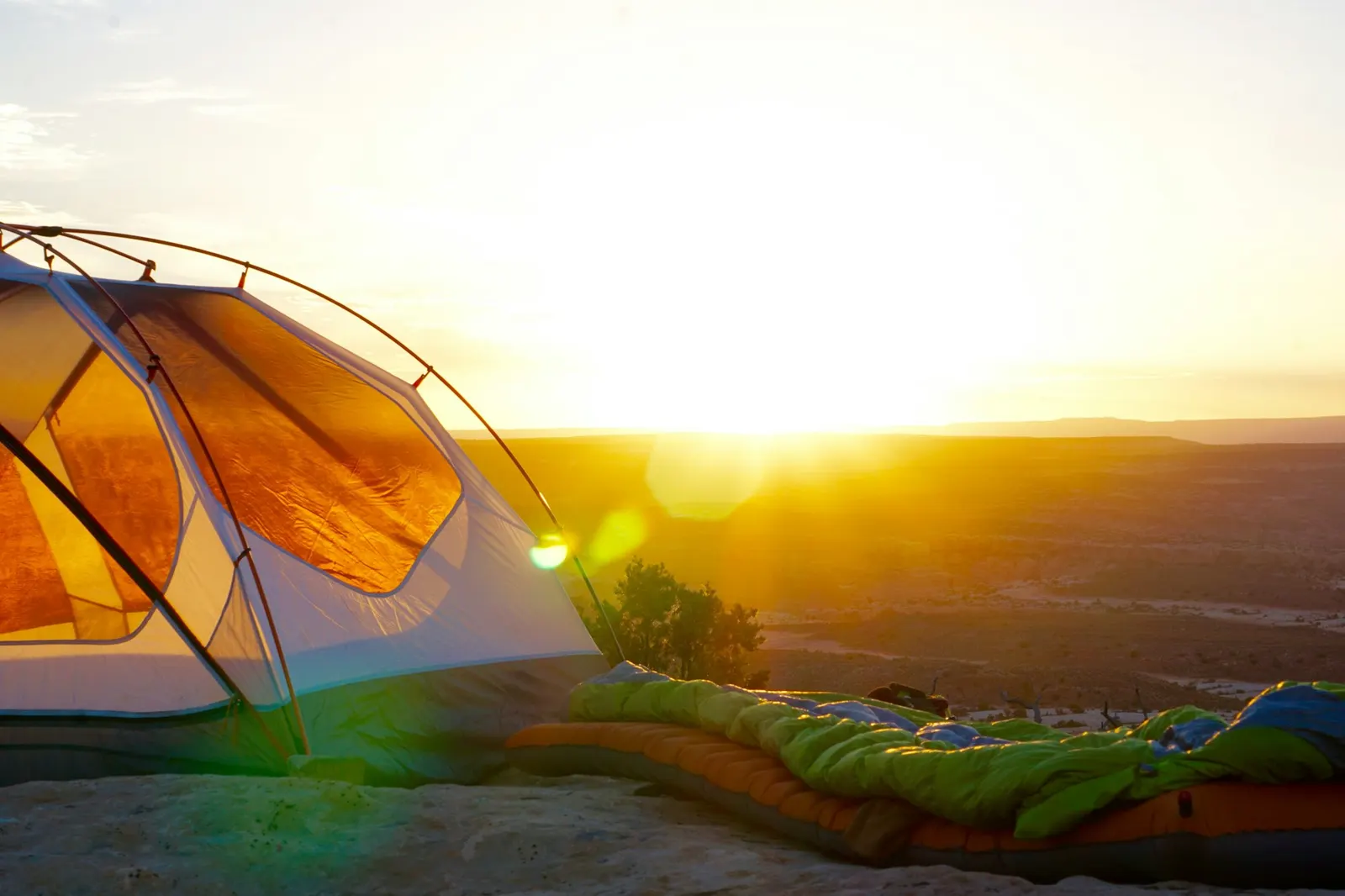
One of the biggest surprises for new campers in the West is how cold the nights get. A summer afternoon at a Sierra lake can feel like the beach; a few hours after sunset, frost forms on the tent. High-desert nights can be just as dramatic, with clear skies letting heat escape rapidly into space.
Staying warm is not about one magic jacket. It is about a system that works together, from your clothing to your pad to the decisions you make before bed.
How your body loses heat
Understanding where heat goes helps you stop it:
- Conduction: direct contact with cold surfaces, especially the ground.
- Convection: moving air, like wind, carrying heat away.
- Radiation: heat leaving your body toward the cold night sky.
- Evaporation: moisture from sweat or wet clothes drawing heat as it dries.
- Respiration: breathing in cold air and exhaling warm, moist air.
Each part of a layering system addresses one or more of these.
The three-layer clothing system
Base layer: manage moisture
The layer against your skin should move sweat away and dry quickly. Merino wool and synthetic fabrics such as polyester are common choices. Avoid cotton in cold or wet conditions; it absorbs moisture, stays wet and pulls heat from your body.
Mid layer: trap warmth
Insulating layers hold warm air close to your body. Options include:
- Fleece: breathable, warm when damp, durable and affordable.
- Down jacket: very warm for its weight and packs small, but loses insulation when wet unless treated.
- Synthetic insulated jacket: keeps more warmth when damp and dries faster than down.
Outer layer: block wind and rain
A shell jacket stops wind and precipitation from stripping away warmth. A waterproof-breathable rain jacket works for most camping. Wind pants or rain pants add protection for legs.
Extremities: head, hands and feet
- Warm hat or beanie: covers your head and ears, and is easy to wear in a sleeping bag.
- Neck gaiter or buff: seals the gap at your collar.
- Gloves: a light pair for camp tasks and a warmer pair for cold evenings.
- Dry socks: reserve a thick pair only for sleeping.
- Camp booties: insulated slippers can make cold evenings much more pleasant.
Your sleep system is a layering system too
Sleeping pads: insulation below
The ground draws heat away from you by conduction. Your sleeping bag's insulation is compressed beneath your body, so the pad does most of the work there. Pads are rated by R-value, with higher numbers indicating more insulation. Many manufacturers now test using a common standard, which makes comparisons easier.
- Warm summer nights: R-values around 2 to 3 may suffice.
- Three-season mountain camping: R-values around 3 to 5 are common.
- Winter and snow camping: many campers use 5 or higher, often by stacking pads.
Sleeping bags: insulation above
Bags are often tested and labeled with comfort and limit temperatures. The comfort rating is a better guide for a pleasant night. A liner can add a few degrees of warmth, and a quilt can work well for warmer sleepers.
Bedtime habits that matter
- Eat a warm dinner and a snack before bed. Your body burns fuel to generate heat overnight.
- Drink water. Dehydration makes it harder to stay warm.
- Get warm before you get in. A few minutes of brisk walking or jumping jacks helps, without working up a sweat.
- Change into dry sleep clothes. Never sleep in the damp layers you hiked in.
- Use the bathroom before bed. Your body spends energy keeping that liquid warm.
- Add a hot water bottle. A sealed, heat-safe bottle filled with hot water warms the foot of your bag.
Warmth at night is built all day long: dry layers, a good dinner, enough water and a pad that keeps the ground's cold away.
Managing moisture and condensation
Moisture is the hidden enemy of warmth. Breath and body moisture condense on cold tent walls and can dampen sleeping bags.
- Open tent vents, even on cold nights, to reduce condensation.
- Do not breathe into your sleeping bag; keep your mouth and nose out.
- Wipe condensation off tent walls in the morning with a small cloth.
- Air out sleeping bags in the sun during the day when possible.
When cold becomes dangerous
Know the early signs of hypothermia: persistent shivering, clumsiness, confusion, slurred speech and poor decisions. Get the person into dry clothes and a sleeping bag, add insulation beneath them, give warm, sweet drinks if they are alert and able to swallow, and seek help if they do not improve.
Putting it into practice
Before your next trip, check the forecast for your campsite's elevation, pack one more warm layer than you expect to need, and test your sleep system on a cool night close to home. For a full packing framework, see our first-time camping checklist. If you plan to stay up late for the sky, read stargazing camping trips for tips on keeping warm while you watch.
Key takeaways
- Use a three-part layering system: base, insulating mid layer and protective shell.
- Avoid cotton next to the skin in cold or wet conditions.
- Insulation beneath you, measured by pad R-value, matters as much as your bag.
- Go to bed warm, dry and fed; change into dry sleep clothes.
- Manage moisture: vent, wipe condensation and dry gear in the sun.
Quick FAQ
Should I wear all my clothes inside my sleeping bag?
Wearing dry layers can add warmth, but overstuffing a bag can compress its insulation and restrict circulation. Wear dry base layers, socks and a hat, and add more only if you are still cold.
Why am I cold even in a warm-rated bag?
Common causes include an uninsulated pad, damp clothing, going to bed already cold, dehydration or not eating enough. A bag rating also assumes an appropriate pad underneath.
Do I need a winter bag for summer in the mountains?
Not usually, but high-elevation summer nights can drop near freezing. Many campers use a bag rated somewhere in the 20s to 30s Fahrenheit for Sierra summers. Check forecasts for your specific location.